Food

View attachment 5981
Business

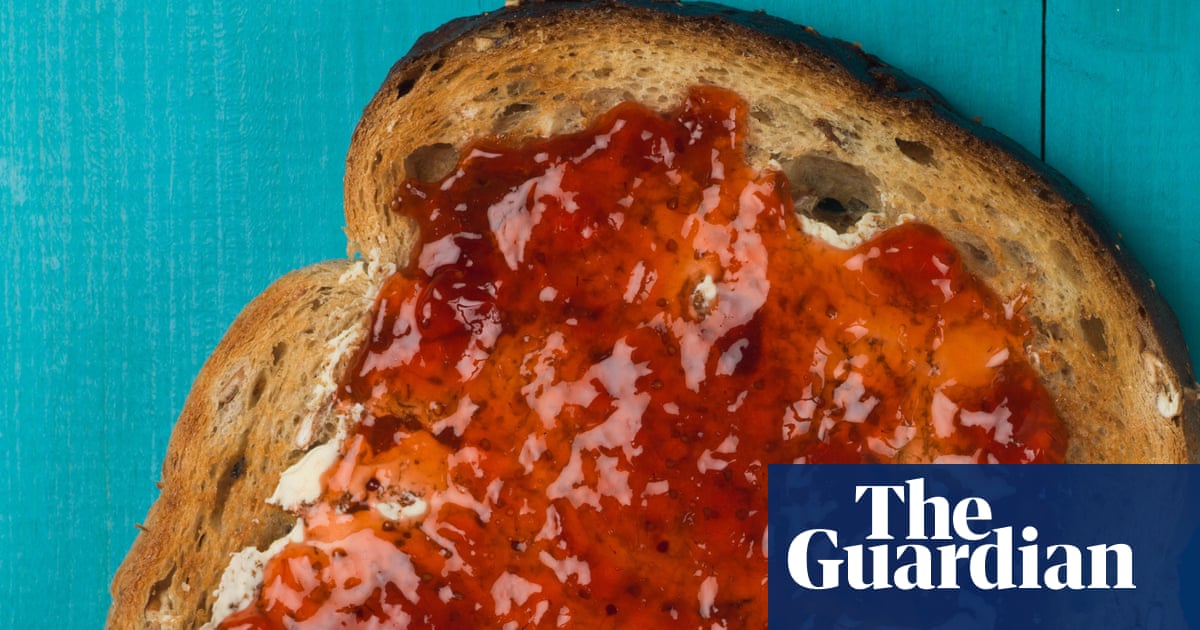
Kellogg says it’s removing artificial dyes from cereals by the end of this year


Kellogg !
What took you so long ?!

"... all of the nine currently US-approved dyes raise health concerns of varying degrees. Red 3 causes cancer in animals, and there is evidence that several other dyes also are carcinogenic. Three dyes (Red 40, Yellow 5, and Yellow 6) have been found to be contaminated with benzidine or other carcinogens. At least four dyes (Blue 1, Red 40, Yellow 5, and Yellow 6) cause hypersensitivity reactions. Numerous microbiological and rodent studies of Yellow 5 were positive for genotoxicity. Toxicity tests on two dyes (Citrus Red 2 and Orange B) also suggest safety concerns, but ..."

So parents that prefer their children to begin their ingestion of toxins like benzidine at breakfast each day, those diets will have to be supplement otherwise.

What I do not understand is why the US takes so long to conform to what the rest of the world already knew?
It's not like these dyes added flavor or anything?
 
"It turns out that Agri-Biz discovered the easiest way to deal with insects and weeds was to sterilize them with powerful sex hormones.
But that is the last thing you want in the food chain.
I hope they eventually do something about that." R5 #20
That's a useful insight R5.
We know it's not for the nutritional benefit of consumers. Therefore Agri-Biz has a higher priority.

"What I do not understand is why the US takes so long to conform to what the rest of the world already knew?
It's not like these dyes added flavor or anything?" R5 #21
Tragic!
It's not likely the pretty colors of fruit loops appeals to the moms that buy it.
So it seems Kellogg is poisoning our children for marketing / market share.

 
Consumer
Reviews
We bought all 31 cutting boards at full retail price, no free samples, no deals. From plastic and wood to bamboo, stainless steel, and titanium, they covered every popular type and big name. We tested them for twelve full weeks in real kitchens, measuring how much plastic they shed into food, how much bacteria hid inside them, how they affected knife sharpness, and how long they actually lasted. One thing mattered most of all: which one we'd feel safe using every single day for our own families.

Now look at the board in your own kitchen. If it is plastic and covered in knife marks, every one of those scratches is plastic that came off the board. A single plastic board sheds about 50 grams of microplastics a year, roughly 10 credit cards' worth, and it had to go somewhere. Microplastics are now turning up in human blood, even in breast milk. The deeper the cuts, the more is missing, and the cheap supermarket boards wear down the fastest. That plastic is ending up in your food.

#1 Cutting Board

TIBO

Made from the same medical-grade titanium used in surgical implants

These cautions regarding plastic cutting boards may be worthy of consideration.

Consumer Reviews recommends titanium, which seems to resist knife marks.
But if the knife isn't marking the titanium, what is the titanium doing to the knife?

The cautions about wood cutting boards harboring mold & bacteria seem alarming. But in practical kitchen use, is this enough of a problem to warrant not using wood for this purpose?

note:
The difference between a cutting board and a carving board:
the carving board includes a gutter to prevent juices spilling off the cutting surface onto the broader work area.
 
Back
Top