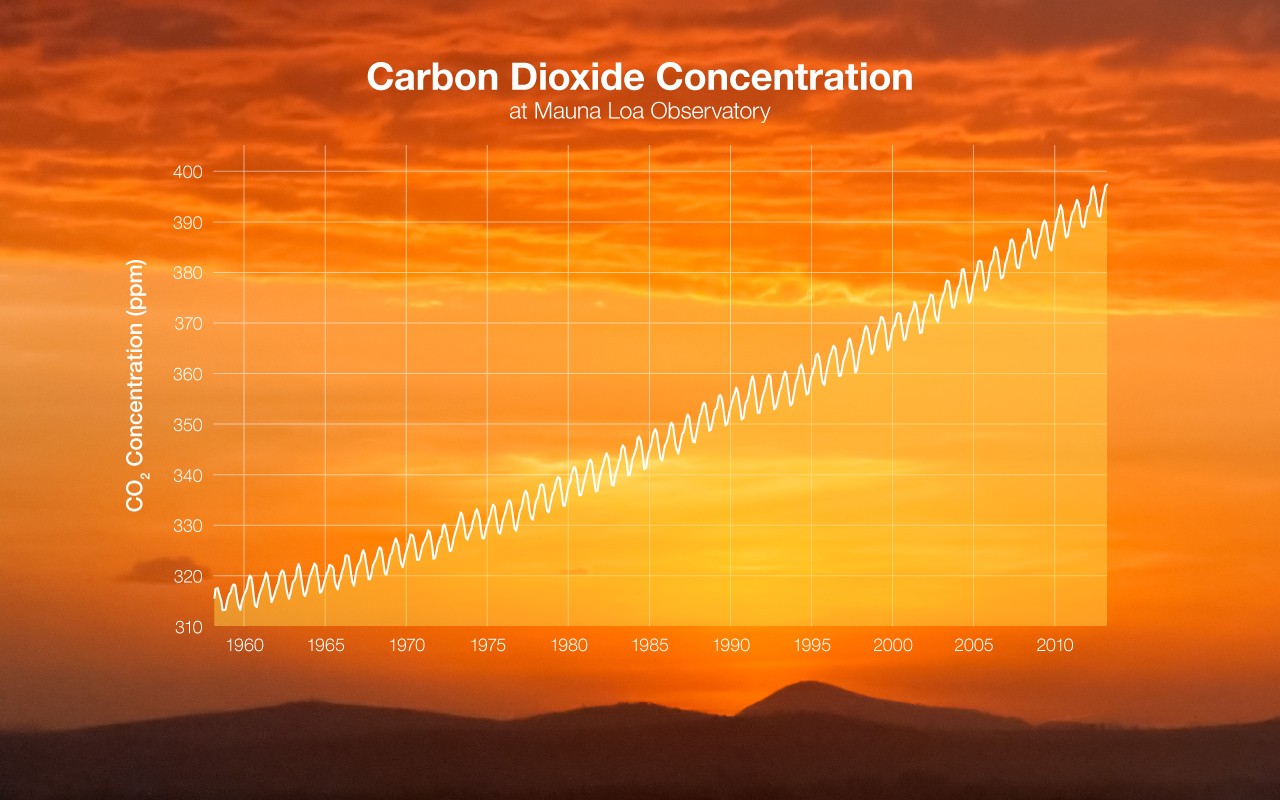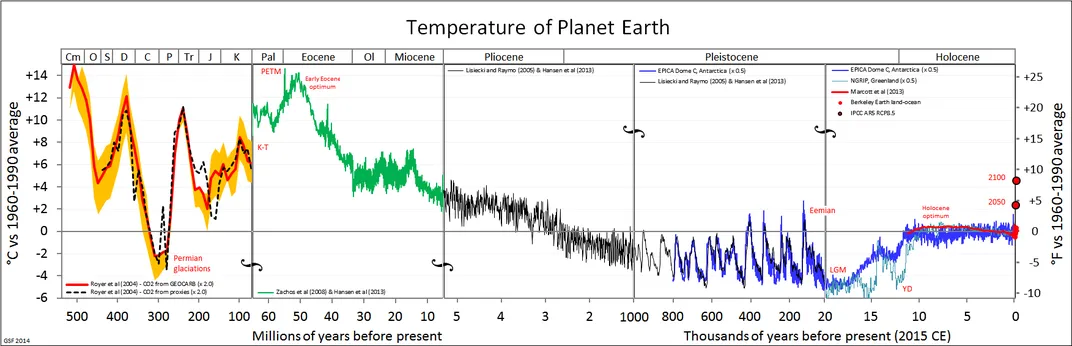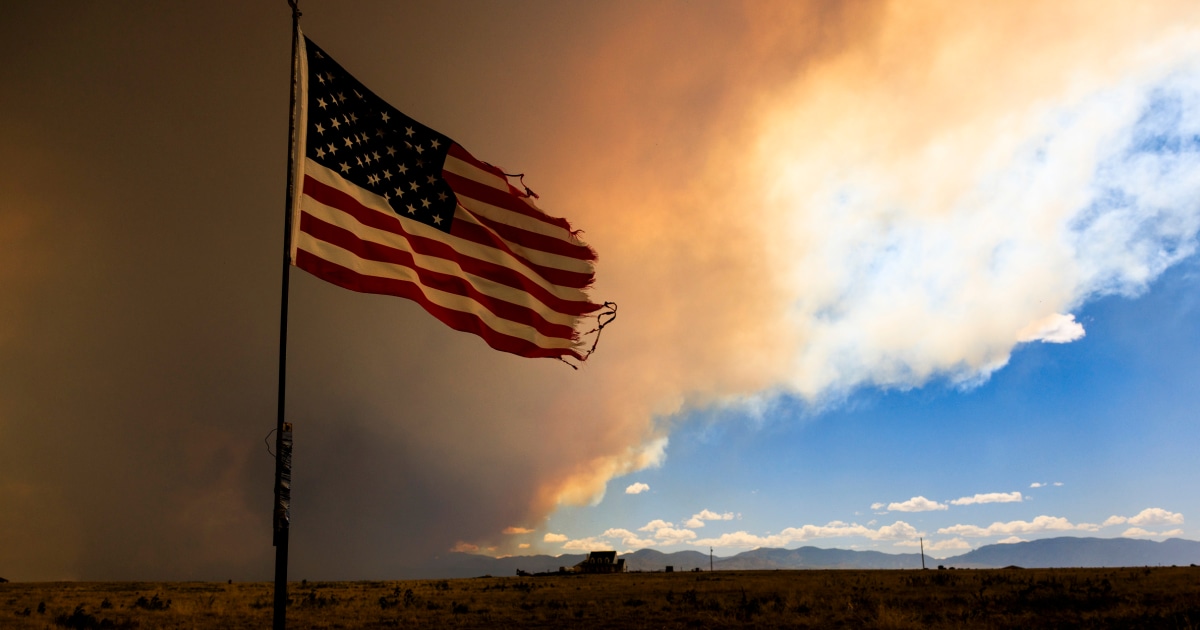
Anthropogenic Global Warming ... how hot is it ?

And this only refers to insured losses.

Cat 5 Florida hurricanes could drive $300bn plus insurance market loss: Swiss Re​


Under certain scenarios, a category 5 hurricane ploughing into Miami or Tampa Bay has the potential to drive more than US $300 billion of losses across the global insurance and reinsurance market, Swiss Re’s Institute said today, while also explaining the importance of reinsurance and ILS capital in protecting the state.

florida-hurricane-question
In addition, the research found that a repeat of the 1926 Great Miami Hurricane event, a category 4 storm, has the potential to drive over US $200 billion of industry losses to the re/insurance sector today.

These scenarios illustrate “how population growth and the accumulation of assets in exposed areas are driving higher insured natural catastrophe losses globally,” Swiss Re explained.

Balz Grollimund, Head Catastrophe Perils at Swiss Re, commented, “The Atlantic hurricane season has been relatively quiet so far this year, but it only takes .....

CONTINUED
 
And this only refers to insured losses.

Cat 5 Florida hurricanes could drive $300bn plus insurance market loss: Swiss Re​


Under certain scenarios, a category 5 hurricane ploughing into Miami or Tampa Bay has the potential to drive more than US $300 billion of losses across the global insurance and reinsurance market, Swiss Re’s Institute said today, while also explaining the importance of reinsurance and ILS capital in protecting the state.

florida-hurricane-question
In addition, the research found that a repeat of the 1926 Great Miami Hurricane event, a category 4 storm, has the potential to drive over US $200 billion of industry losses to the re/insurance sector today.

These scenarios illustrate “how population growth and the accumulation of assets in exposed areas are driving higher insured natural catastrophe losses globally,” Swiss Re explained.

Balz Grollimund, Head Catastrophe Perils at Swiss Re, commented, “The Atlantic hurricane season has been relatively quiet so far this year, but it only takes .....

CONTINUED

Which is why I never liked private insurance.
The whole point of society is to collectively rely on each other instead of a private profit motivated monopoly.
Insurance not only is wasteful due to profits, but also makes you prepay.
The way it should be done is by sharing the cost of natural disasters after the fact.

The private insurance companies tend to be worthless.
Like after there were a lot of claims from a rural forest fire, the insurance companies dropped everyone who lived in the country in the entire state.
So all those decades of paying in was essentially stolen.
Only after they dropped me did I then realize that if there was a forest fire there that destroyed the house, I would not even want to rebuild there anyway.
So rural fire insurance I had been paying for decades was useless.
 
1790077485695.png

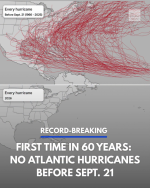
The 2026 Atlantic hurricane season has broken a 60-year record for the latest start to hurricane formation since satellite tracking began in 1966. This unprecedented quiet period is primarily driven by a very strong El Niño producing high wind shear that prevents Atlantic storms from organizing.
 
View attachment 6525

The 2026 Atlantic hurricane season has broken a 60-year record for the latest start to hurricane formation since satellite tracking began in 1966. This unprecedented quiet period is primarily driven by a very strong El Niño producing high wind shear that prevents Atlantic storms from organizing.

I can't say I totally understand El Nino or La Nina, but I reduce it in my mind to easterly or westerly prevailing ocean winds.
{...
El Niño is associated with higher than normal sea level air pressure over Indonesia and Australia, and across the Indian Ocean to the Atlantic Ocean. La Niña has roughly the reverse pattern: high pressure over the central and eastern Pacific and lower pressure through much of the rest of the tropics and subtropics.[2][3] The two phenomena typically last approximately one year each and typically occur every two to seven years with varying intensity, with neutral periods of lower intensity interspersed.[4] El Niño events can be more intense, but La Niña events may repeat and last longer.

A key mechanism of ENSO is the Bjerknes feedback (named after Jacob Bjerknes in 1969) in which the atmospheric changes alter the sea temperatures that, in turn, alter the atmospheric winds in a positive feedback. Weaker easterly trade winds result in a surge of warm surface waters to the east and reduced ocean upwelling on the equator. In turn, this leads to warmer sea surface temperatures (called El Niño), a weaker Walker circulation (an east—west overturning circulation in the atmosphere) and even weaker trade winds. Ultimately, the warm waters in the western tropical Pacific are depleted enough so that conditions return to normal. The exact mechanisms that cause the oscillation are unclear and are being studied.
...}
https://en.wikipedia.org/wiki/El_Niño–Southern_Oscillation

The upper atmosphere connection that would involve the Atlantic, I had no idea existed at all.
 
Back
Top