Shiftless2
Well-known member
Historic Wildfire Season Highlights Nationwide Vulnerability
Extreme heat, wind, and drought conditions have set the stage for a historically severe 2026 wildfire season, bringing the peril to areas beyond those traditionally considered most exposed to the risk. A new Triple-I Issues Brief explores the evolving weather patterns and demographic trends behind the shift, particularly as urban areas become more vulnerable.
During the first half of 2026, more than 35,000 fires burned over 3 million acres across the United States, far exceeding the 10-year averages for fires and acres burned during the same period, according to the National Interagency Fire Center. Much of the activity occurred in ....
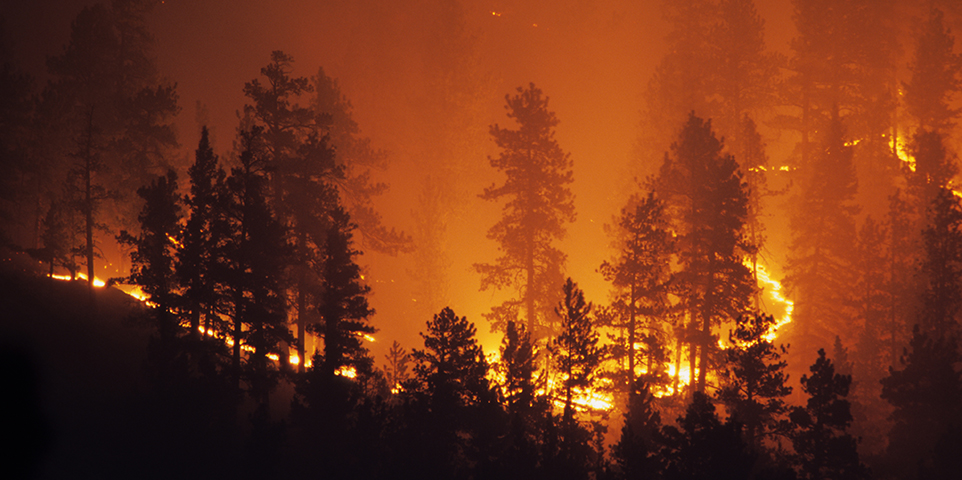
Historic Wildfire Season Highlights Nationwide Vulnerability - Triple-I®
By Lewis Nibbelin, Research Writer, Triple-I Extreme heat, wind, and drought conditions have set the stage for a historically severe 2026 wildfire season, bringing the peril to areas beyond those traditionally considered most exposed to the risk. A new Triple-I Issues Brief explores the evolving...www.iii.org
Wildfire risk expanding beyond the West as national exposure grows, Triple-I finds
Wildfire risk in the US is no longer confined to Western states, according to a new members-only Issues Brief from the Insurance Information Institute (Triple-I), which found that extreme heat, drought conditions and continued population growth in wildfire-prone areas are driving elevated wildland fire exposure across ...

Wildfire risk expanding beyond the West as national exposure grows, Triple-I finds
CEO Sean Kevelighan says resilience and mitigation efforts are more critical than ever as heat-wave days nearly doublewww.insurancebusinessmag.com
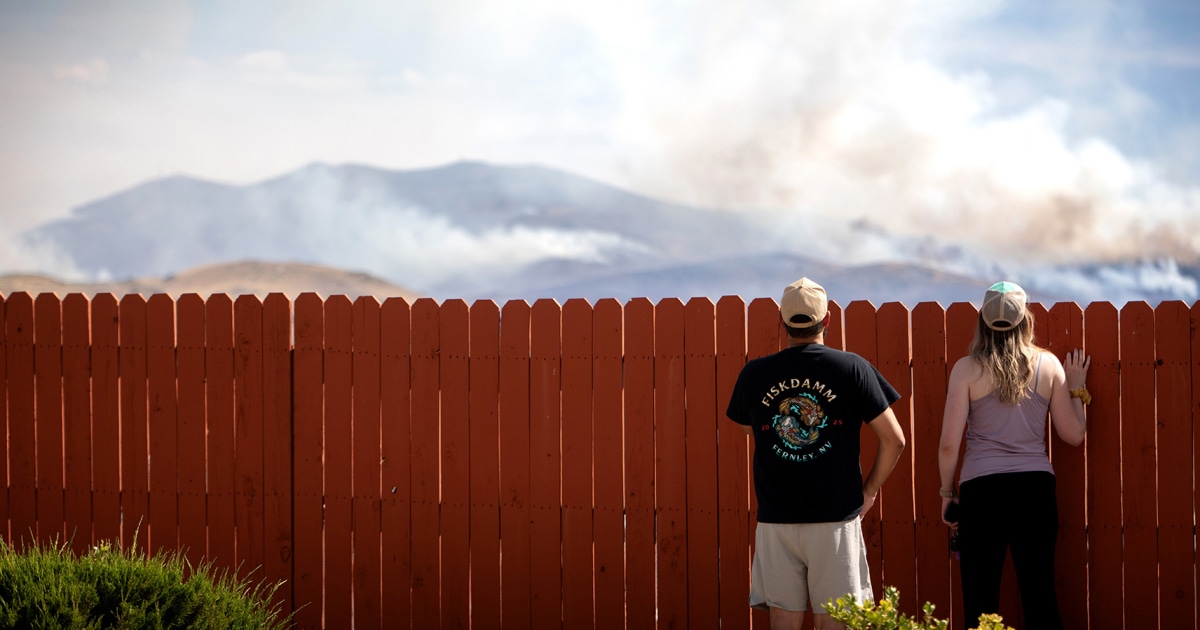
Wildfires burn across western US and Canada as residents are evacuated
Wildfires are burning across the western U.S. and Canada, leaving some residents keeping a wary eye out for possible evacuation orders

Wildfires burn across western US and Canada as residents are evacuated
Wildfires are burning across the western U.S. and Canada, leaving some residents keeping a wary eye out for possible evacuation orders. Meanwhile others who were already forced to flee theirwww.standard-journal.com
Last edited: