Shiftless2
Well-known member
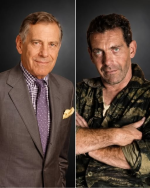
On the morning of August 3, 1965, CBS News correspondent Morley Safer was in Da Nang, Vietnam, drinking coffee with Marine officers while looking for a story to cover.
A lieutenant mentioned that his unit would be heading out on an operation the next morning and invited Safer to join them.
Safer agreed.
The destination was Cam Ne, a small village in South Vietnam that was suspected of sheltering Viet Cong fighters. Before sunrise, he and his camera crew climbed into an armored vehicle and headed toward the village.
He expected a military operation. Possibly combat. Possibly resistance.
What he found was something very different.
When the Marines entered Cam Ne, they encountered a village filled mostly with women, children, and elderly residents. There was no firefight waiting for them. No clear battlefield.
Instead, the operation moved from house to house.
As Marines questioned villagers, communication quickly broke down. Many residents did not understand English. Others could not answer the questions being asked. The tension grew, and soon the situation escalated in a direction that had nothing to do with combat.
Soldiers began setting thatched-roof homes on fire, using cigarette lighters and flamethrowers.
Families stood by as their homes burned. Elderly women pleaded to be allowed time to gather their belongings, but their requests were ignored. Rice stores were destroyed. Personal possessions were lost in the flames.
By the end of the operation, around 150 homes had been burned. Three women were injured. A baby was killed.
Four elderly men were taken into custody, reportedly because they could not understand what was being asked of them.
Throughout the entire operation, Morley Safer kept filming.
That evening, he sent the footage and narration back to New York. When CBS News president Fred Friendly and anchor Walter Cronkite reviewed the material, they immediately understood its importance.
It had to air.
On August 5, 1965, the report was broadcast on the CBS Evening News.
The reaction was immediate. Viewers flooded CBS with letters and phone calls. Some praised the reporting. Others were outraged, accusing the network of damaging the image of American troops during wartime.
Soon after, the controversy reached the highest level of government.
CBS president Frank Stanton received an early morning phone call from an angry voice on the line. According to accounts, President Lyndon B. Johnson personally expressed his anger over the broadcast.
Johnson reportedly questioned how such footage could exist and whether it had been presented with hidden intent. Investigations were launched into both Safer and the Marine officer who had allowed him to accompany the unit.
No wrongdoing was found.
The Pentagon later pushed for Safer’s removal from Vietnam and restricted his access to Marine operations. CBS refused.
The network stood by its reporter and the story.
The backlash against Safer was severe. He received threats and, at times, reportedly kept a pistol nearby for protection as criticism and hostility grew.
But the report had already done something irreversible.
It changed the conversation.
Military leadership responded to the public reaction, issuing new guidance aimed at reducing unnecessary destruction in populated areas and increasing caution around civilians during operations.
One television report had helped influence military policy.
Years later, New York University’s Department of Journalism would name the Cam Ne broadcast one of the most important works of American journalism of the twentieth century.
Morley Safer went on to spend decades at 60 Minutes, becoming one of the most respected figures in broadcast journalism.
But the story that defined his legacy did not begin in a newsroom.
It began in a small village in Vietnam.
A camera rolling.
A fire spreading through homes.
And a reporter who chose to record what was happening, even when it was not what anyone wanted to see.
He was not trying to make history.
He was simply doing his job.
And sometimes, that is exactly what changes history.
SOURCE with comments