
US lawmakers pass spending bill to avert government shutdown
House of Representatives also votes to keep the lights on in government facilities for at least another six weeks.The short-term fix was pitched after negotiations on a full-year budget were stalled by the demands of House Republicans for deep spending cuts and sweeping immigration reforms
Published On 19 Jan 2024
The US Congress has passed a short-term spending bill to thwart a partial government shutdown that threatened the functioning of multiple key federal agencies and could have seen thousands of employees sent home without pay.
With large sections of the government due to close at the end of Friday, the House of Representatives voted 314 to 108 on Thursday to keep the lights on for at least another six weeks, approving a measure that was previously passed by a Senate vote of 77 to 18.

US lawmakers pass spending bill to avert government shutdown
House of Representatives also votes to keep the lights on in government facilities for at least another six weeks.
 www.aljazeera.com
US lawmakers pass spending bill to avert government shutdown
House of Representatives also votes to keep the lights on in government facilities for at least another six weeks.
I know of no other nation on Earth that has a "debt ceiling". It seems to have been created with best of intentions, to restrain $runaway U.S. federal spending.
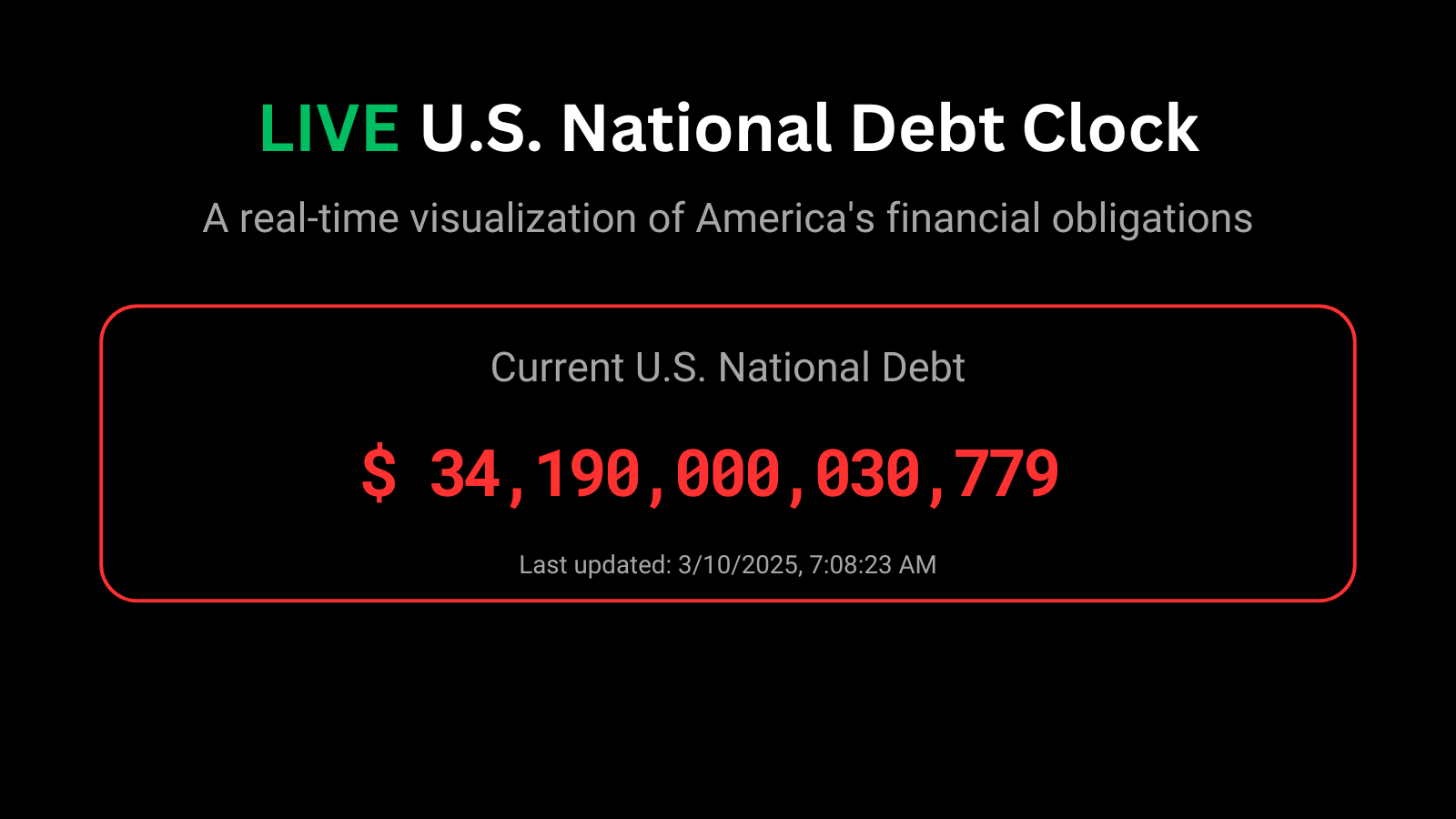
It doesn't work. $34 $Trillion $+ https://fiscaldata.treasury.gov/americas-finance-guide/national-debt/
Instead the U.S. federal debt ceiling has produced periodic funding crises with one political party or another holding the entire government hostage to that day's political cause célèbre, currently U.S. Southern border security.
Isn't it past time to retire the failed U.S. federal debt limit, and replace it with a more viable standard, such as limiting next year's budget to the previous year's revenue?