
You are using an out of date browser. It may not display this or other websites correctly.
You should upgrade or use an alternative browser.
You should upgrade or use an alternative browser.
Below The Fold ...
- Thread starter sear
- Start date


That may be a little too "inside baseball" for some.#381
Basically, NYC's newly elected Mayor Mamdani is dismissed by critics as a socialist. Although
reports of Mamdani visiting Trump @oval indicated Trump liked the new mayor.
Texas:
Everything's bigger in Texas?
People that live in a State that has a panhandle should subdue their boasts of machismo.
How Swifties hope fans will react to the Madison Square Garden wedding
The best way to celebrate Taylor Swift and Travis Kelce’s wedding, according to some of her fans? Give them some privacy.
Kelce has a superbowl ring, right? fine
Swift, a self-made $Billionaire, doing what she enjoys, music. Dandy.
A wedding? At MSG ?!
Whose idea was that, Taylor?
Anyways, I haven't read a single sentence about their relationship. BUT !
I infer from the pics I've seen, including this one, the marriage is likely to be a disappointment to Taylor
and may be brief, even by Hollywood standards.
She pregnant?
Shiftless2
Well-known member
Where did that come from?I infer from the pics I've seen, including this one, the marriage is likely to be a disappointment to Taylor
and may be brief, even by Hollywood standards.
You have to click the link. https://www.nbcnews.com/pop-culture...-rumors-swifties-encourage-privacy-rcna351835"Where did that come from?" S2 #384
Shiftless2
Well-known member
It's behind a paywall and I don't have a subscription
hmmm"It's behind a paywall and I don't have a subscription" S2 #386
I don't recall slipping NBC.com any $cash. I thought their Internet presence was as commercial as their network broadcast franchise.
None the less, we don't need NBC for this. Most of the pics I see of them together suggest to me by body-language that Taylor is ensconced, self-seduced by a fantasy
mirroring the level of her professional success.
Taylor:
private life / love life doesn't work that way. If you don't discover that before marriage, you will learn it after.
I don't mean to snicker. But I suspect Taylor has imagined an ideal, and Kelce is the square peg she intends to cram into the round hole, likely an imperfect fit. I wish them well.
Shiftless2
Well-known member


Texas y'll ...

Welcome to Gilead





Shiftless2
Well-known member
Welcome to Texas
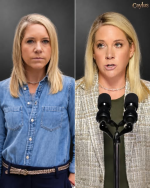
Amanda Zurawski was 18 weeks pregnant when her water broke.
She and her husband had spent years hoping for this pregnancy. Then, just four months in, doctors gave them heartbreaking news.
The pregnancy could not survive.
At 18 weeks, with ruptured membranes, there was no medical possibility that the baby would live.
Under normal circumstances, doctors would have immediately provided treatment to prevent dangerous complications. Amanda would have mourned her loss, recovered physically, and eventually considered trying again.
But this was Texas in June 2022.
The state's abortion restrictions had just taken effect following the Dobbs decision.
Because the fetus still had a heartbeat, Amanda's doctors believed they could not provide the care she needed.
She was sent home.
Still pregnant.
Still carrying a pregnancy doctors knew could not survive.
And waiting.
Amanda later recalled being told that doctors could not intervene unless the fetal heartbeat stopped or her own condition became critical.
The outcome they feared soon arrived.
She developed a severe infection.
What had been a tragic pregnancy loss became a life-threatening medical emergency.
Amanda was rushed back to the hospital suffering from sepsis and septic shock.
She spent days fighting for her life.
She survived.
But the infection caused lasting damage to her reproductive system.
The pregnancy she had waited years for ended not only in loss, but in serious complications that affected her future fertility.
Many people would have chosen to keep such a painful experience private.
Amanda chose a different path.
She became the lead plaintiff in Zurawski v. Texas, a lawsuit challenging how the state's abortion laws affected patients facing severe pregnancy complications.
She shared deeply personal medical records.
She testified publicly.
And she explained what had happened to her in clear medical terms.
Her goal was simple.
To show lawmakers, judges, and the public how these laws affected real patients during medical emergencies.
The legal challenge ultimately reached the Texas Supreme Court.
In May 2024, the court upheld the state's abortion ban.
For Amanda, the decision was deeply disappointing.
But it did not end her advocacy.
Throughout 2024, she continued speaking publicly, attending events, giving interviews, and sharing her story with audiences across the country.
She repeatedly argued that people needed to understand how pregnancy complications can become medical emergencies.
Amanda never expected to become a public figure.
She never planned to become an activist.
She wanted a healthy pregnancy.
She wanted a healthy child.
She wanted to build a family.
Instead, a medical crisis changed the course of her life.
Today, she continues speaking about her experience because she believes others should understand what happened to her and why.
Whatever people's political views may be, Amanda's story remains a deeply personal account of pregnancy loss, medical complications, survival, and resilience.
She did not choose the role she now occupies.
But she continues to speak publicly about it.
And she has made it clear that she is not finished telling her story.
SOURCE with comments
Amanda Zurawski was 18 weeks pregnant when her water broke.
She and her husband had spent years hoping for this pregnancy. Then, just four months in, doctors gave them heartbreaking news.
The pregnancy could not survive.
At 18 weeks, with ruptured membranes, there was no medical possibility that the baby would live.
Under normal circumstances, doctors would have immediately provided treatment to prevent dangerous complications. Amanda would have mourned her loss, recovered physically, and eventually considered trying again.
But this was Texas in June 2022.
The state's abortion restrictions had just taken effect following the Dobbs decision.
Because the fetus still had a heartbeat, Amanda's doctors believed they could not provide the care she needed.
She was sent home.
Still pregnant.
Still carrying a pregnancy doctors knew could not survive.
And waiting.
Amanda later recalled being told that doctors could not intervene unless the fetal heartbeat stopped or her own condition became critical.
The outcome they feared soon arrived.
She developed a severe infection.
What had been a tragic pregnancy loss became a life-threatening medical emergency.
Amanda was rushed back to the hospital suffering from sepsis and septic shock.
She spent days fighting for her life.
She survived.
But the infection caused lasting damage to her reproductive system.
The pregnancy she had waited years for ended not only in loss, but in serious complications that affected her future fertility.
Many people would have chosen to keep such a painful experience private.
Amanda chose a different path.
She became the lead plaintiff in Zurawski v. Texas, a lawsuit challenging how the state's abortion laws affected patients facing severe pregnancy complications.
She shared deeply personal medical records.
She testified publicly.
And she explained what had happened to her in clear medical terms.
Her goal was simple.
To show lawmakers, judges, and the public how these laws affected real patients during medical emergencies.
The legal challenge ultimately reached the Texas Supreme Court.
In May 2024, the court upheld the state's abortion ban.
For Amanda, the decision was deeply disappointing.
But it did not end her advocacy.
Throughout 2024, she continued speaking publicly, attending events, giving interviews, and sharing her story with audiences across the country.
She repeatedly argued that people needed to understand how pregnancy complications can become medical emergencies.
Amanda never expected to become a public figure.
She never planned to become an activist.
She wanted a healthy pregnancy.
She wanted a healthy child.
She wanted to build a family.
Instead, a medical crisis changed the course of her life.
Today, she continues speaking about her experience because she believes others should understand what happened to her and why.
Whatever people's political views may be, Amanda's story remains a deeply personal account of pregnancy loss, medical complications, survival, and resilience.
She did not choose the role she now occupies.
But she continues to speak publicly about it.
And she has made it clear that she is not finished telling her story.
SOURCE with comments
Shiftless2
Well-known member
Shiftless2
Well-known member

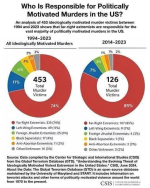
That was pretty weird, and especially for a religious group that then one would expect to value life more?
Last edited:
Shiftless2
Well-known member
The Pastor apparently said that they were "killing the devil" and he'd do it again and again ....That was pretty weird, and especially for a religious group that then one would expect to value live more?
- fine -The Pastor apparently said that they were "killing the devil" and he'd do it again and again ....
Cats have 9 lives.
How many does the Devil have again? And if the Devil has numerous / indeterminate lives, then isn't "killing" the wrong verb? Shouldn't it then be "tormenting"?
Hmmm
A Pastor tormenting the Devil.
And which of these two is supposed to be the bad guy again?
"Those who consider the Devil to be a partisan of Evil and angels to be warriors for Good accept the demagogy of the angels. Things are clearly more complicated." Milan Kundera
The Pastor apparently said that they were "killing the devil" and he'd do it again and again ....
Sort of a weird racism, where you deny the humanity of those you kill by claiming they are the devil.
I supposed that is what Joshua told his troops when he massacred the Canaanite women and children at Jericho.
That is likely how Zionists are able to rationalize massacring Palestinians at Deir Yassin and the other hundreds of native villages they massacred.
I was thinking dehumanization may have been with us as long as humanity. I checked."Sort of a weird racism, where you deny the humanity of those you kill by claiming they are the devil." R5 #396
The first known use of dehumanizing was in 1817
I believe this "first known use" refers to the appearance of the word in public text,
and not the practice of denying human qualities, which R5 #396 indicates began millennia earlier.
I was thinking dehumanization may have been with us as long as humanity. I checked.
The first known use of dehumanizing was in 1817
I believe this "first known use" refers to the appearance of the word in public text,
and not the practice of denying human qualities, which R5 #396 indicates began millennia earlier.
The Inquisitions, burning witches, etc., has been around a long time.
Which is so weird that religion, which is supposed to have the most compassion, would then be the most evil and cruel?
Shiftless2
Well-known member
Shiftless2
Well-known member
Following on #381 and 388

Texas became the first state to approve a required reading list including Bible passages for 5 million students, drawing praise from faith groups and pushback from a national secular organization.
Texas became the first state to approve a required reading list including Bible passages for 5 million students, drawing praise from faith groups and pushback from a national secular organization.