Shiftless2
Well-known member
And still in Texas



 www.psypost.org
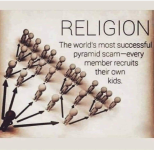

A pyramid scheme surely involves $money."RELIGION The world's most successful pyramid scam -" meme #603
- and -pyramid scheme
n.
A fraudulent moneymaking scheme in which early participants are paid out of money received from later recruits, with the final recruits putting money in and getting nothing back.
The American Heritage® Dictionary of the English Language, Fifth Edition copyright ©2022 by HarperCollins Publishers. All rights reserved.
"God" is portrayed as omniscient, omnipotent, omnipresent and short of cash." Crane

Nice little after life you've got there. Shame if anything should happen to it.
Thank you for corroborating my position.Re #604
"But it does involve money. Tithing. The collection plate. Etc." S2 #605
"A fool & his $money, soon parted." cliché"And it's a pretty good extortion racket - the mob could take lessons." S2 #605
"I would rather have a mind opened by wonder than one closed by belief." Gerry Spence, Attorney at Law

- horrendous -" the 1911 Triangle Shirtwaist Factory fire killed 146 workers " S2 #607